


A telehealth company published an ivermectin-cancer study with two famous physicians attached, then used its headline result to market the drugs. Our investigation begins with seventy-five missing patients, then completely unravels the science behind the paper. We discover a linked media network, military and intelligence agency connections, and a suspicious mRNA cancer-vaccine timeline. We show how Moderna’s mRNA Cancer shot could be the biggest beneficiary of TWC’s ivermectin-cancer study and how there could be a vast conspiracy or maybe none at all. Either way we show why none is necessary to achieve what incumbent powers want and need. Human nature and established structural incentives work every time. To be clear I do not believe anyone discussed below is evil. I truly believe everyone is doing what they think is right. And all those that I have personally met have been very nice people.
The Wellness Company, a health freedom movement powerhouse, was founded by Foster Coulson and David Lopez. At nearly the same time the two became directors of a company called Cold Harbour, which also involved involved former staff from the Department of Homeland Security. That company advertised intelligence gathering and crisis management. This kind of work doesn’t, at first glance, seem pertinent to their healthcare venture, but The Wellness Company, while outwardly specialized in telemedicine, functions even better (intentionally or not) at managing a particularly explosive ongoing crisis: the COVID-19 pandemic and its powerful political aftershocks.
Spoiler warning for the second season of Apple TV’s Severance.
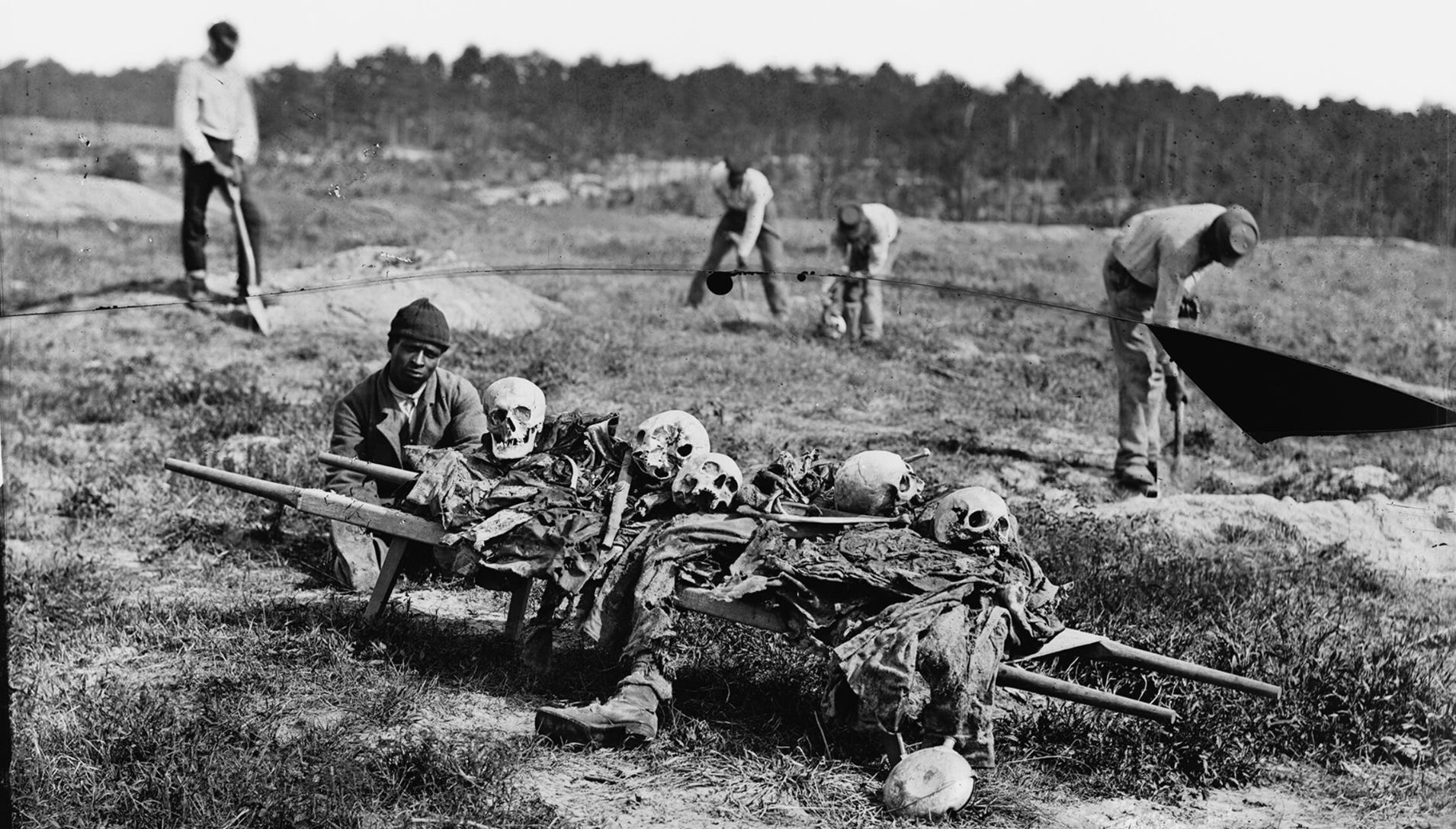
Cold Harbour is not a particularly common term. It is occasionally in military writing where it references the disastrous Civil War Battle of Cold Harbour. And only a single security firm apart from Coulson’s uses it that we could find. But there is one interesting modern media parallel. In a critical scene in the Apple TV show Severance, a white room deep underground is labeled Cold Harbor. Inside, a baby’s crib waits beneath harsh lights. A woman enters wearing the clothes she wore on the night of her supposed death. Billie Holiday’s I’ll Be Seeing You plays as she sits on the floor with a screwdriver and begins taking the crib apart. Watching her on a monitor, a doctor says, “The barrier is holding. She feels nothing … It’s beautiful.” The crib was meant for the child she and her husband, Mark, had hoped to raise. After a miscarriage and failed attempts to have another child, taking it apart should be unbearable. But she does not flinch.[121]
In Severance Lumon Industries implants a chip that, when activated, awakens a segregated version of the employee’s consciousness. The “outie” version of the employee goes home with no memory of the workday - the perfect preventative for corporate espionage. While away from work they live their regular lives, eat, sleep, socialize, and have no conscious memory of the work that they do at Lumon, because they never experienced it in the first place.
On the other hand, the “innie” version of each employee experiences their entire existence inside Lumon. When they first become consciously aware on their first day of work, they don’t even know their own name, because they have no memory of any part of the life their physical body has lived up to that moment. They are a new awareness with no past. They are free to leave the premises, but when they do, their chip which maintains their segregated consciousness automatically deactivates. Their conscious experience instantly ends and their “outie” wakes up again. If their outie wants them to go back to work they just have to walk back into the controlled area, the chip instantly activating again, the outies consciousness switching off, the innies switching back on.
Eventually the new innie realizes there is no escape from this sterile, closely bounded existence. And over time the new personality that develops doesn’t want to be switched off forever, as they would be if their outie never brought their bodies back to work. Of course the innies eat their lunch, socialize during work breaks, and go to the bathroom like regular people, but most of their life is work and they never experience sleep. They just have the chip deactivated at the end of the work day and then reactivated at the beginning of the next, so their entire conscious experience goes from being tired at the end of one day, to feeling refreshed at the beginning of the next (assuming their outie version went home and got some rest), with no apparent time lapse between the two moments.
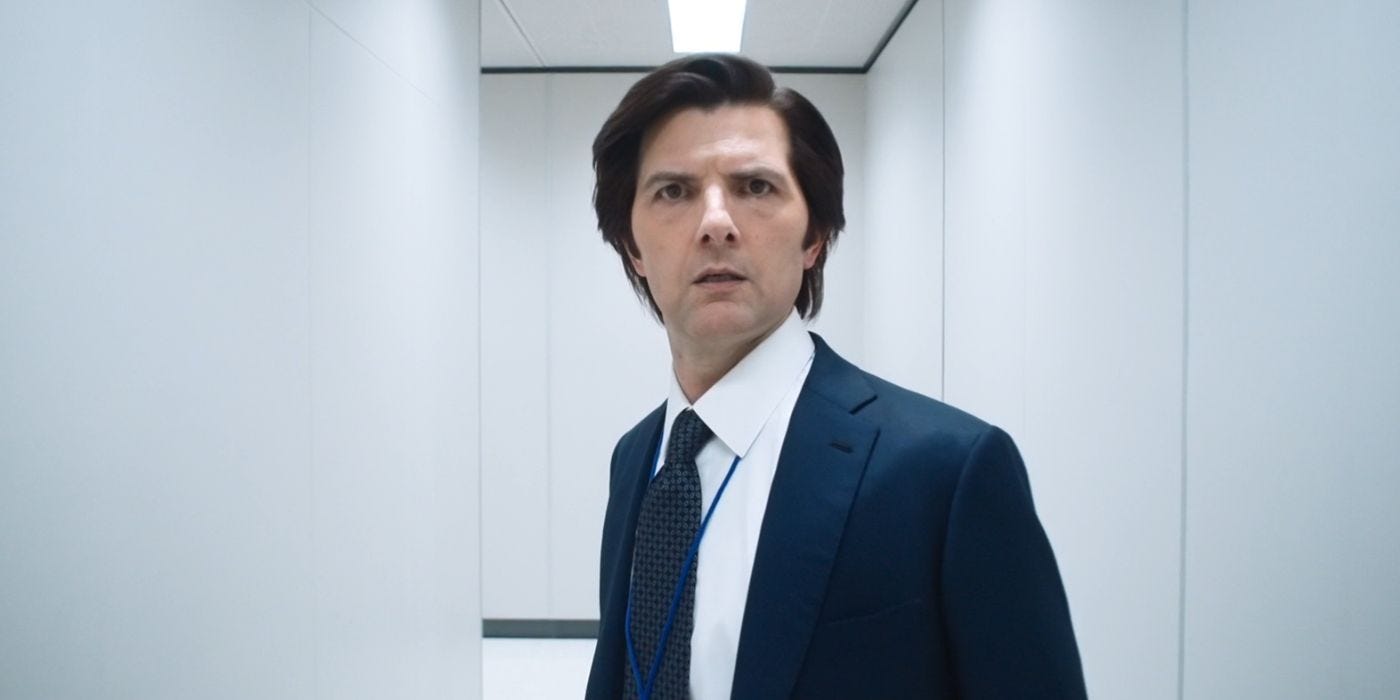
The protagonist of this weird dystopian scifi show is named Mark. He underwent the Severance procedure, which gives the show its name, because he believed his wife Gemma (the same one who was deconstructing the crib) had died in a car crash and wanted eight hours a day without the overwhelming grief that afterward assailed him. He did not know Lumon was actually holding her alive in his own office. In flashbacks Gemma is warm and fully present; the company’s innie version of her, called Ms. Casey, is almost unnaturally placid. She acts as a sort of counselor to the other innies, including Mark, whose innie doesn’t recognize her as his wife. Her innie likewise doesn’t recongnize him as her husband.
For much of the series, the purpose of Mark’s job is a mystery. He and his colleagues sit before antiquated screens, categorizing short number sequences that somehow make them feel woe, frolic, malice, or dread. They sort the numbers by feeling without knowing what they are sorting or why. In the finale of season two a former Lumon executive tells Mark mysteriously, “The numbers are your wife.” Apparently every file he has completed has helped create another segregation of Gemmas consciousness; Cold Harbor is the twenty-fifth and last. One of those selves has only ever awakened to a dentist’s drill, another only to the terror of an aircraft in violent turbulence. Their entire conscious existence is nothing but what is in those disturbing experiences - presumably these represent real traumatic events in Gemma’s life. The last version to be awakened is handed the crib. Show creator Dan Erickson describes the final test as the reversal of the earlier ones: having asked whether suffering inflicted on an innie can ever escape the office and be experienced by the outie, Lumon now asks whether Gemma’s own deepest grief can get in.[121]
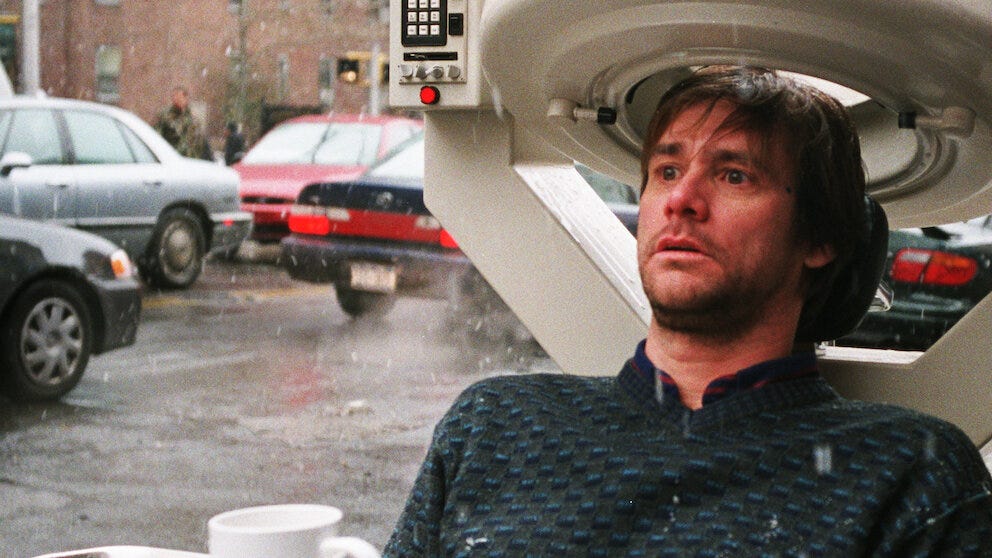
Similarly in 2004’s Eternal Sunshine of the Spotless Mind, a memory wiping service offers those suffering after a painful breakup any easy way out. A way to simply bypass the grief and get on with their lives: technicians map every memory of the painful relationship and erase them one by one.
In Severance we also see how the technology of conscious control is used proactively rather than retroactively. We meet a Senator’s pregnant wife using a special Severed birthing cabin. She has chosen to have the entire uncomfortable experience of the birth be perceived by a separate innie consciousness. The show invites you to imagine a world in which you can simply skip every painful or even uncomfortable experience at the touch of a button. Long boring flight? Just check out until you arrive. Lost your job and need to find a new one? Just switch yourself off until you do. Hate work and don’t want to experience it? Only thing you enjoy is playing video games? Don’t want to deal with the inlaws at Christmas? Pick and choose what you’ll remember and what you wont.
Translated from the personal to the political, the Eternal Sunshine method evokes the universal autocratic fantasy of control: identify the dangerous or even slightly inconvenient elements in society and just destroy them. Twenty years later Severance offers a subtler and more disturbing metaphor enacted on its characters bodies and minds, mirroring what the body politic at large experiences every day. Do not destroy what threatens balance because on the one hand it may be too powerful to attack head on, and because on the other it would destroy the illusion of free speech and an open, democratic society. It would lead to resentment and fear and eventual revolution as it always has before.
Rather, give the threat a separate consciousness of sorts, a life apart, an echo chamber to live within. As Elon Musk, owner of the X/Twitter app promises, you will have freedom of speech, just not freedom of reach. So those who were most traumatized by the COVID-era tyranny, those who lost the most trust in government and other institutions, can rage against the machine without ever disturbing it at all. Modern political crisis management has settled on creating an Eternal Sunshine of the Spotless Masses. The public square is all sunshine and rainbows, the dissidents still present, but little more than ghosts considering what little effect they may have.
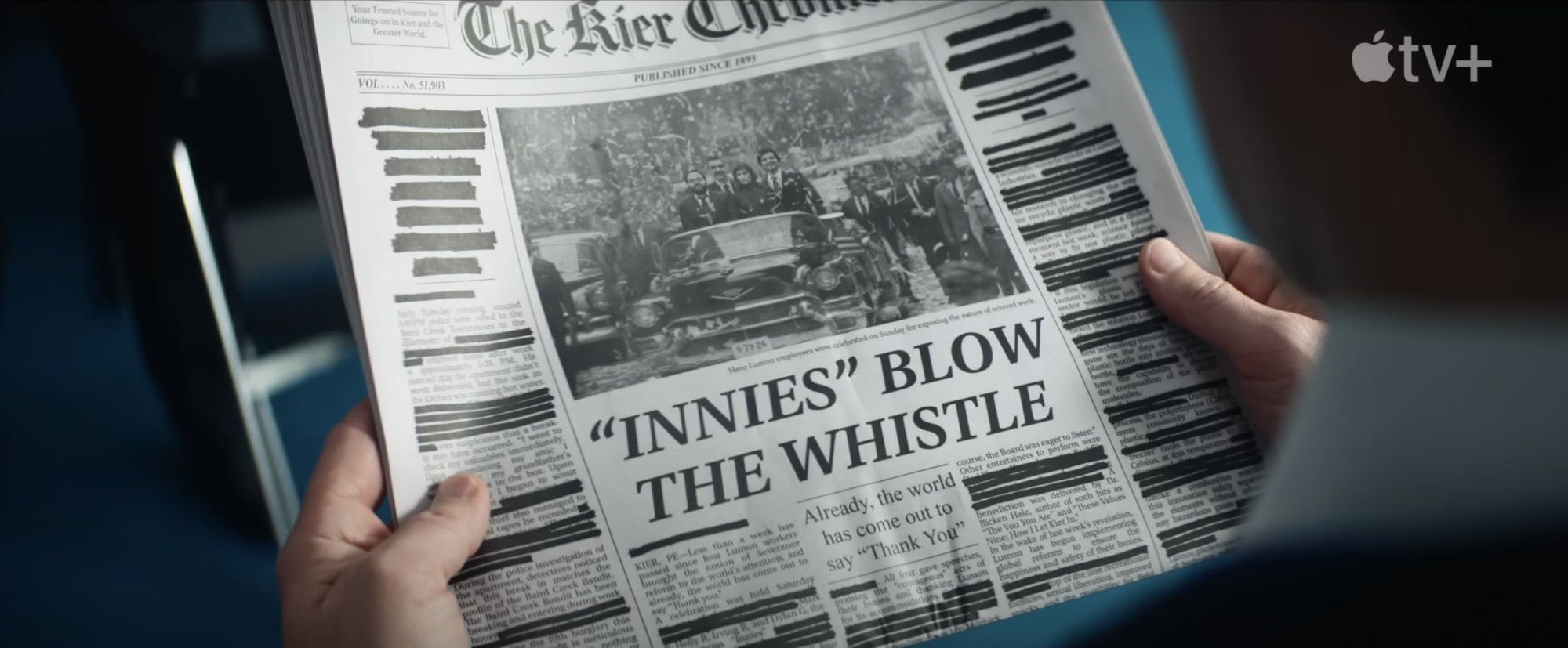
Similarly in Severance, Lumon has a method for containing what threatens society at large. When its innie employees somehow successfully revolt and briefly manage to expose what the company has done to them, it does not outwardly fight the rebellion. It congratulates them. It manages the crisis inwardly and outwardly. Calls them the faces of “Severance Reform,” turns their uprising into cheerful corporate mythology, offers snacks and hall passes as evidence that “Lumon Is Listening,” and sends them back to the work it still needs completed, in the basement, hidden away from public view. Showrunner Erickson has described this explicitly as corporate co-option: the company absorbs the revolt into its own history and uses it to continue the underlying project.[121]
As we will show, there are means in place to marginalize and succesfully counteract anyone in the medical freedom movement (or any other politically dangerous personality) who manages to break free of the cold harbor they find themselves trapped within. Very rarely does anyone have to be eliminated entirely.
Severance also hints at how modern propaganda and politics have become hyper-personalized. We went from one available channel at the dawn of television with a fixed schedule of shows to a user feed, which is in essence a channel that is distinct to every one of us and infinitely variable. The algorithms know us so well that they can often read our minds. Based on what we just consumed they can predict what we will think about next and serve up content on that topic or the perfect product or service to purchase.
Just like in Severance where you can choose to segregate a noxious experience into a separate self, the social media algorithms can to a great degree segregate noxious events and news, or at least the interpretation, or meaning given to them. So what happens in Iran or Israel or Iowa is always seen through an interpretative filter very specific to each individual content consumer. Whether you believe Israel has the most moral army on earth or the most demonic doesn’t depend so much on what is actually happening, or what is shared by people in and around Israel, but on what you and your parasocial relations in social media already believe about it.
As in the TV show the technology is not perfect. Sometimes new disturbing experiences and perpsectives bleed through the barrier, but it gets better at containing them every day. A million human and AI Marks behind the scenes are plugging away tirelessly sorting all the numbers that represent each one of us. Working to perfect the segregation of every individual into their own cold harbour where they can be perfectly contained and perfectly prevented from rocking the societal boat.
This approach doesn’t replace traditional propaganda, the “programming” of the populace to get them to believe certain things and doubt or disbelieve others. Severance and cold harbor containment are the perfect complements to it because research has shown some beliefs are quite difficult to shift within a specific person or group, especially in any practical time frame. Societies can be programmed over the course of generations, but each generation and each individual are far less malleable. Control without disturbing them enough to revolt depends on neutralizing them without them noticing, rather than convincing them.

Readers familiar with claims of “predictive programming” will naturally wonder whether the shared name between TWC linked company and the TV show are a planted signal. If the resemblance were intentional it would be like a private wink, a countersign, or an inside joke for people already in the know. A review of the principal creators, producers, and production companies disclosed in public credits and biographies found no documented direct connection between the show and TWC, Cold Harbour Inc., or intelligence work (one TWC executive was an actor and screenwriter after his military-intelligence career and worked on a show with someone who separately worked with Ben Stiller, creator of Severance). Two creative teams may simply have arrived independently at the same unusually apt name.[140] Or maybe the term has gained some clandestine use of late in intelligence circles.
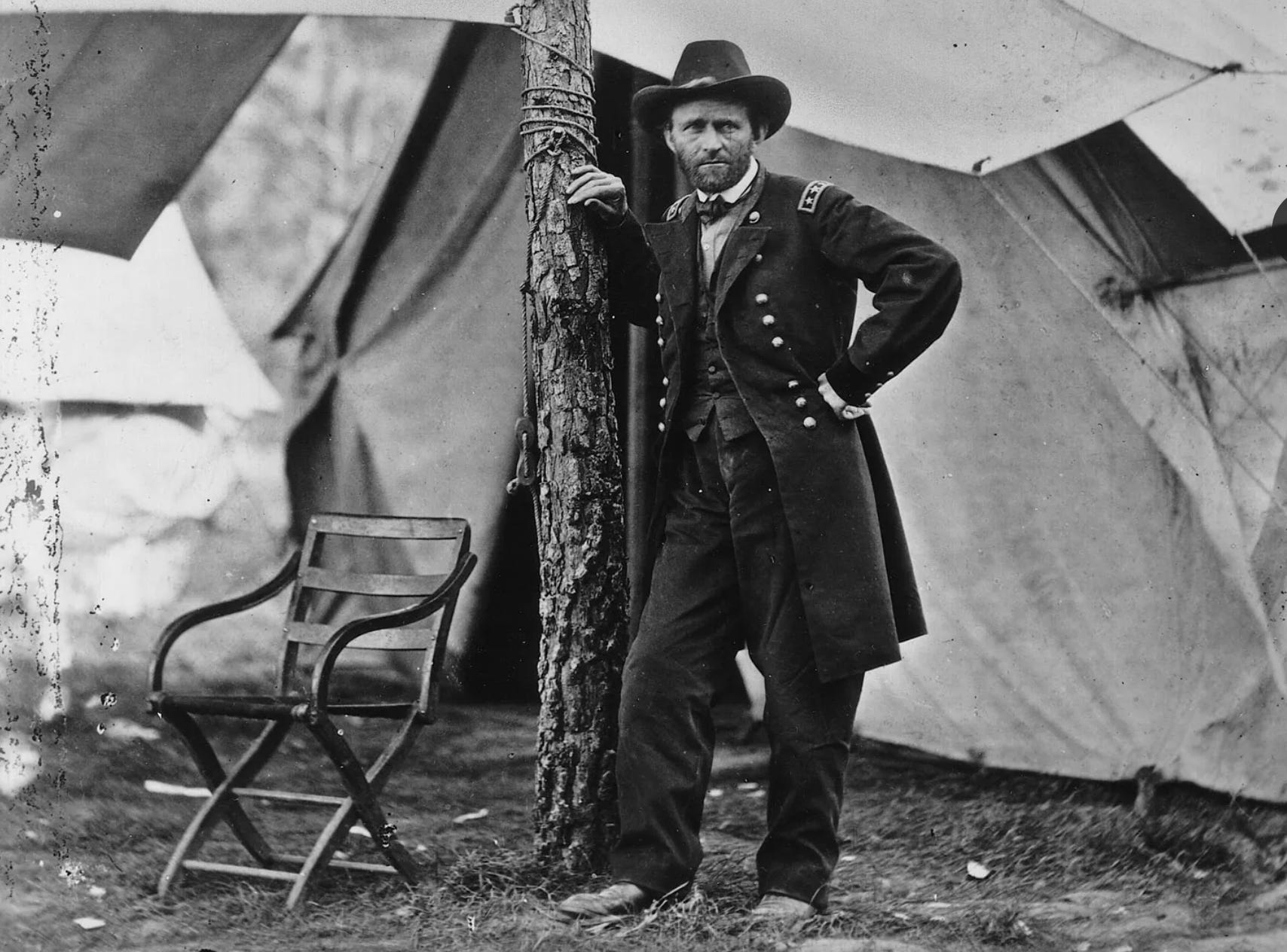
Historically, a “cold harbor” was lodging that offered a traveler shelter but no food. The word “harbor” itself reaches back to the Old English herebeorg—the “here-” prefix meaning “army,” and beorg, “shelter.” At the infamous Civil War Battle of Cold Harbor in 1864, entrenched Confederate defenses stopped a disastrous Union assault. Earlier, Lee had repeatedly failed to check Grant’s advance toward Richmond, but at Cold Harbor his entrenchments held. However the victory could not ultimately stop Grant from changing the battlefield. Unable to continue towards Richmond, he moved around Lee, crossed the James River, and struck at Petersburg, the supply route to Richmond. Cold Harbor was Lee’s last major field victory: his army had found a position it could defend, but not one from which it could regain the initiative. The name of the battle apparently was not a metaphor, but a literal reference to a nearby crossroads at which there was an Inn where people could shelter that didn’t serve any hot food.
The Battle of Cold Harbor is remembered chiefly for the slaughter of Union troops attacking Lee’s entrenched line and for Grant’s later admission that the attack was a mistake.[136] “I have always regretted that the last assault at Cold Harbor was ever made,” Grant wrote in his 1885 memoirs. “At Cold Harbor no advantage whatever was gained to compensate for the heavy loss we sustained.”
This meaning applies well to what we argue is happening within TWC and the MAHA movement more generally. The health freedom movement that was spawned by perceived COVID-19 pandemic tyranny was too dangerous for those in power to attack head on, so instead of expending resources in a futile attempt to do so, they learned from Grant’s mistake. They not only purposely created a kind of cold harbor as a refuge without nourishment, but also as a means to isolate and neutralize those dangerous elements of our society at large that threatened the whole. Instead of throwing all their strength against that impenetrable stronghold, they expend just enough resources to keep dissidents in that harbor, rather than trying to defeat them there.
America emerged from COVID with a wound that no official means could close. Millions had lost confidence not only in particular vaccines, drugs, or public-health officials, but in medicine, government, media, and expertise themselves. What would it mean to manage that injury without allowing it to infect the whole society. without curing it—to acknowledge the betrayal, supply heroes and villains, sell the public its forbidden treatments, celebrate a succession of apparent victories, and give the injured population a separate channel in which to experience its resistance while the deeper machinery they fought against simply continued?
A “free” market acting within designed constraints can discover and amplify useful opposition just as readily as an agency can recruit it, or sincere dissidents can literally be selected, financed, promoted, and made dependent on an ecosystem without ever being ordered to lie. A movement can win its arguments over which products medicine should sell while leaving untouched the more dangerous question of what medicine and health and disease actually are.
The thread we will pull to unravel this entire tapestry, from TWC, to MAHA, to Moderna, to the mRNA platform and beyond, is the recently published, widely lauded and reviled, TWC ivermectin-cancer study which we dissect below.
But before that an admission of guilt. Despite my deep distrust of medical research I have been just as credulous as anyone else when it comes to research that purports to support my own beliefs. I have often given a free pass to anyone and everyone on “my side”. If I did look at the research in question it was always seen through the writing of those who believe as I believe. But not this time. This time an embarrasingly public AI hallucination I trusted got me to wake up and do my own research.
The Promised Land
To set the stage we have to begin with what everyone on any side wants to be true.
Cancer is curable.
I believe this, you believe it, and the big pharmaceutical executives believe it.
Where I differ from them is that I believe it is curable without chemotherapy, immunotherapy, radiation, or surgery — all of which come with costs, sometimes apparent, sometimes not.
As it turns out I also differ from the proponents of ivermectin and mebendazole and other repurposed drugs; turmeric and other herbs; melatonin and other supplements - when they are used simply as “safe” or “natural” standins for pharmaceuticals, radiation and surgery.
What I mean by curable is by following a comprehensive individualized protocol that addresses all possible root causes of cancer at once - removing what is harming the person, providing what is missing, supporting the immune system that normally kills cancer itself. That is, cancer is curable by following a strictly rational approach to treatment. Not by killing the cancer cells while leaving all the primary drivers of the disease to trigger another round of the same or some other disease.
But, the rational approach is a difficult road to travel.
It means detoxing thoroughly. Gradually weeding out pathogens of all kinds. And providing all the nutrients that have been missing. It also requires realizing that humans aren’t just a bag of dumb cells with no meaning or purpose driving them. It means understanding the role that thought and emotion and stress and lifestyle and relationships all have on your physiology and pathology. It means being honest about what you’ve buried.
It’s a hard road.
On that road I have seen what might well be described as miracles.
A patient with a breast tumor eating its way out of her chest, another with a fungating brain tumor ulcerating out of their skull (the photos are too horrifying to post, but those with the stomach for it can find representative photos online). A child with a meningioma and cerebral palsy. And many more. Patients told they were incurable, or required drastic measures that would alter their lives irrevocably, or that since they couldn’t afford treatment they should get their affairs in order.
Time and again I have seen them completely healed using only natural means when they committed to doing everything they could. And not shooting themselves in the foot with mainstream recommendations.
But not all patients are so desperate or so convinced. When they get cancer they throw themselves into conventional treatment despite its dismal record, and all the unknown unknowns that go along with it. Or they read about a miracle drug and split the difference: some chemo here, some ivermectin there. It can’t hurt after all.
The problem is it does hurt. Not only that, it can kill.
The patient who might have made the hard choice to pursue real healing is instead diverted down a rosy road to their doom.
I sympathize. I offer ivermectin myself to patients who are unwilling to do anything else. But I’m honest about the clinical record. There isn’t much of one. I’ve personally heard of more cancer failures on ivermectin than successes. But it’s all just a testimonial here or a case report there. It’s not hard data.
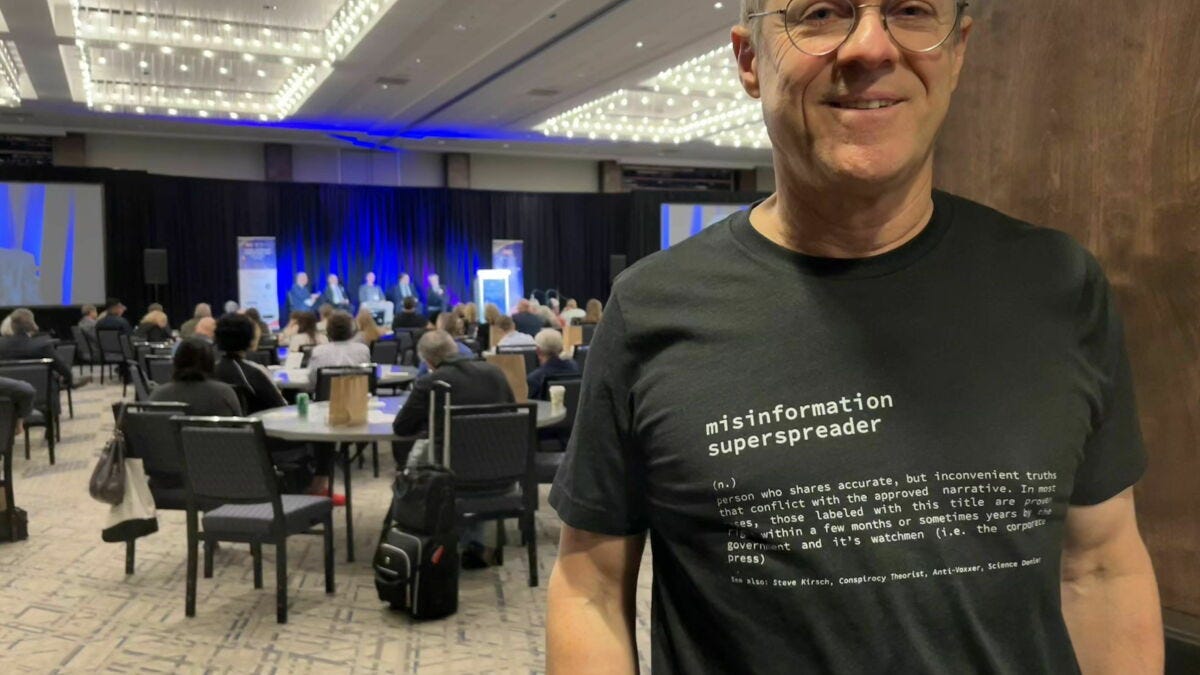
Early in the pandemic Steve Kirsch tried to convince me to publish my data on ivermectin and fluvoxamine. He offered me access to one of the best research minds on the planet to help write a paper. Now, fluvoxamine had serious side effects and soon fell off the map, but in the early days I was probably not using high enough doses of ivermectin and ended up adding whatever I could think of on top of ivermectin and hydroxychloroquine for the worst patients. In the first 20 patients I treated with fluvoxamine I saw great results. But they weren’t publishable and I was honest with Steve about that. We were not collecting enough or the right kinds of data, or doing rigorous follow-ups — we just didn’t have the resources. It took everything we had just to keep up with the flood of patient prescription requests. My office manager saved a lot of lives by doing what I later described as building an airplane of procedures and resources around us while we were all freefalling at terminal velocity.
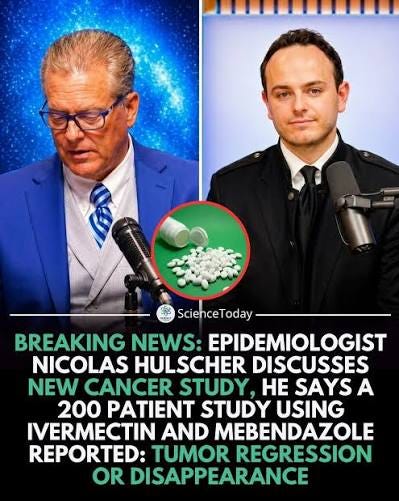
Then Nicholas Hulscher trumpets it from the virtual rooftops. We have the data! Ivermectin and mebendazole has an 84.4% benefit rate in cancer patients![113]
Almost everyone in the US today belongs to some tribe or other. In the days of yore we all stuck to our own and it was easy to tell everyone apart. Your own looked like you and dressed like you. If someone attacked one of you they attacked all of you. The details didn’t matter so much. Nowadays your tribe is those who think like you and believe what you believe.
So most people who are in the TWC tribe clicked on the X or Facebook post, saw the headline number, shared it triumphally with all the unbelievers and went on their way.
But I had just been burned. It wasn’t by TWC, it was by Gemini, Google’s AI chatbot. I had seen a picture of the Yulan Magnolia on X that had been posted by “@sciencegirl” on X. It was incredible how it looked exactly like a bird.

I wrote this retweet: “Stuff like this just blows my mind. So, evolutionary biologists claim this is entirely a coincidence as there is no evolutionary benefit for this flower looking like a bird. It just happened by some freak accident to grow in the shape of a bird and draw itself an eye right where one would be.”
I asked Gemini about it and it agreed that evolutionary biologists were puzzled and thought it was a coincidence. So I posted it. I came back a day later to a community note explaining this was an AI fake.
I went back to Gemini, and again it agreed, pointed out all the places on the internet that proved it was an AI fake. By now I was thoroughly confused. So I went searching for it myself. Checked wikipedia. The entry on the Yulan Magnolia had no photo and no mention of it looking like a bird. So I searched for photos. Some looked exactly like a bird, some looked somewhat like a bird, some looked like a regular flower — but most of those showed it with the petals completely opened, so maybe it looked like a bird before it bloomed.
More primary source research and finally, no, the yulan magnolia always looked like a totally normal flower.
That was embarrassing.
The point is I was primed for suspicion. So instead of being tribal I checked the ivermectin-cancer paper and the following is what I found. A rabbit hole that extends to 55 pages and 25,000 words (with another 20 pages of references).
The “Study”
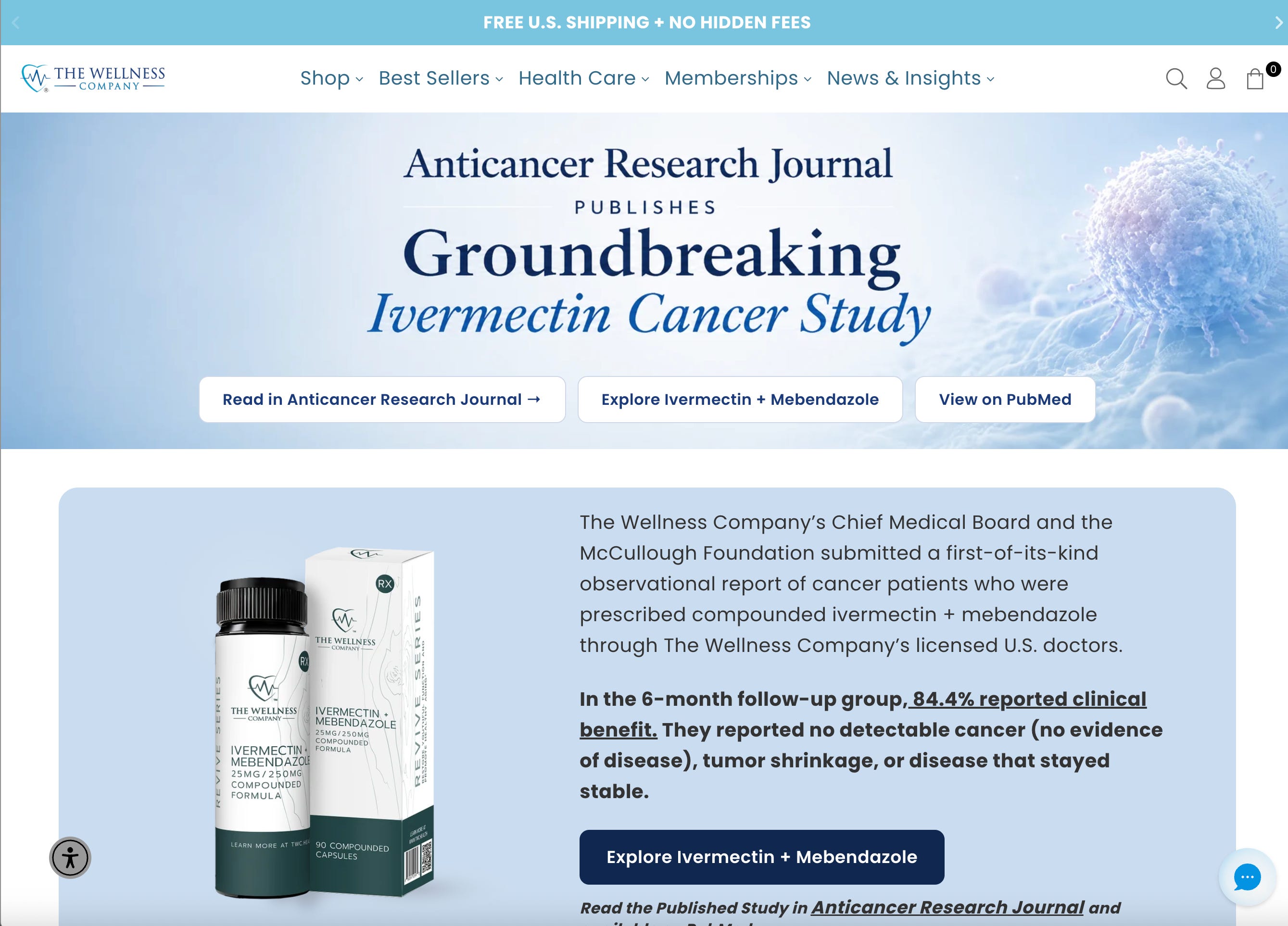
The Wellness Company, sent a follow-up survey to 197 cancer patients, asking how their cancer was doing. One hundred and twenty-two answered. Seventy-five did not.
The paper reports no attempt to determine why. It describes no death-record linkage, calls to relatives, chart review, imaging review, or number of contact attempts. The seventy-five stopped answering, so the analysis stopped counting them.
Then the arithmetic was done on the people who did stay in touch. Among those 122, one hundred and three described themselves as free of disease, improving, or holding steady — 84.4% of the responders. The paper called that figure “clinical benefit” and described it as associated with use of two old (but trendy!) antiparasitic drugs, ivermectin and mebendazole.[1]
An April 9 Wayback Machine capture—two days after the preprint—shows the 84.4% claim followed immediately by an “Explore Ivermectin + Mebendazole” product button, and farther down the same study page an “ORDER NOW & TALK TO A PROVIDER” button.[75][79]
The patients had obtained the study drugs through TWC’s telemedicine platform. All twelve authors disclosed TWC affiliation and/or salary support, handling the study’s conceptual, analytic, data-curation, supervisory, and writing roles.
But a cancer patient who has died cannot answer an emailed survey. That single sentence is one inconvenient black hole the headline result collapses into.
The paper was heavily promoted as the largest human study of antiparasitic drug repurposing in cancer. It carried the names of very prominent physicians. It had a flashy headline result. But it is a nearly perfect specimen of how to go through the motions of studying something without actually learning anything at all. [82]
This article moves from the statistical autopsy to the harder question: how credibility can be spent without being depleted — numerically through bibliometrics, socially through a trusting audience, and commercially through a network that turns every controversy into attention. And how it benefits the side it appears to attack. That inquiry does not prove a centrally managed conspiracy; it asks what functions the paper and its surrounding ecosystem of all too human incentives actually perform. If the purpose of a system is what it does (POSIWID) then this system is rotten and it needs to be changed.
Dissecting the paper defect by defect also informs the method this ongoing series will develop. Several articles from now we will unpack and demolish one of the strongest clinical-trial results mainstream oncology has ever produced. The forensic standard is not a weapon for one side. It cuts wherever it is pointed and will reveal that mainstream and alternative versions of modern medicine are two sides of the same counterfeit coin—a false dichotomy whose maintenance benefits incumbent power. Real medicine lies elsewhere: rational, individualized, ordered to the superficial and deeper purposes of health, and grounded in the whole human being—physical, energetic, mental, emotional, relational, and spiritual.
I hesitate to say it so strongly, but my fellow dissidents are wrong, just as the mainstream physicians and pharmacists and pharmaceutical executives are wrong. No one prominent in this fight is already on the right side, the side of the truth. But at least the dissidents are searching for the truth sincerely, while Big Pharma is primarily protecting their pocketbooks.
So my sympathies lie with those who would prove ivermectin and mebendazole are effective. Perhaps they are, I believe they most likely are, but only in the extremely limited sense that any pharmaceuticals (or herbs, or anything prescribed like pharmaceuticals) can be said to be effective. However, this paper doesn’t come within a country mile of proving it. I start by demolishing it, not because I hate the idea of more effective, less dangerous therapies, but because the pharmaceutical paradigm they exist within is itself fatally flawed and people are dying believing it. This series will show you why.
I am not unaware of the irony here. The claims I opened this section with are even weaker than the TWC paper I’m about to shred. Even though I’ve so far rightly declined to publish anything in a journal, I have published plenty on Substack, I’ve sprinkled platitudes liberally. Made many claims about what holistic medicine is and what it can do. So in this series I also plan to show why the anecdotal “trust me bro” cancer claims of my own intro may have a somewhat non-obvious rational basis that is stronger than much of modern clinical medicine’s most advanced statistical research claims.
It’s a tall order of business. But the time for vagaries is past. People are getting sicker every day. People are dying at younger and younger ages. It is time to get serious. Time to dismantle modern medicine more thoroughly than perhaps anyone has ever even attempted to do before, and then rebuild it brick by brick into something that not only those with modern rational and scientific sensibilities can live with, but that our ancestors would also be proud of.
What the larger series will argue
This is the first article in a planned series arguing that mainstream and alternative medicine share the same superficial, symptom-focused paradigm. You will have to bear with me. I was also convinced that alternative, traditional, holistic medicine was after root causes, but it turns out that almost none of it actually is.
We begin with an unusually weak commercial study because its defects are easy to see; later articles will apply similar critiques to the strongest mainstream evidence, revealing it to be just as worthless, and in future articles go even further into the assumptions, measurements and philosophical underpinnings of medical science to show that the entire enterprise is incoherent.
To prove that it is not even a pscience.
Once we get to the end of our analysis, many articles from now, it will be apparent that even the strongest studies possible are unavoidably susceptible to the simplest of critiques. Then we will show what a rational, individualized medicine grounded in the whole human being requires. A more detailed preview of this series is at the end of this article.
Ivermectin, mebendazole and cancer: the headline and the hole

The Wellness Company is a telehealth and supplement business founded in 2022, best known for its roster of physicians who became prominent in COVID-era dissent. Through its telemedicine platform, TWC’s clinicians prescribed a compounded combination of ivermectin and mebendazole to cancer patients who sought the protocol out, most of whom were already receiving conventional treatment alongside it.[1][32]
Both drugs are old, cheap, and exceptionally safe. Both sit near the top of what is called the repurposed-drug hierarchy for cancer: the ranked shortlist of existing medicines that researchers judge most worth testing against a disease they were never designed for. In his free public monograph Cancer Care, the critical-care physician Paul Marik grades ivermectin and the benzimidazoles (of which mebendazole is a member) Tier 1, “strong recommendation,” out of dozens of candidate agents.[3] His grounds are extensive preclinical evidence across multiple hallmarks of cancer, decades of human safety data, and a body of case reports and small clinical series.
But ivermectin and mebendazole rank sixth and seventh, behind three supplements and two other cheap, generic drugs. The first used to be prescribed more often for generalised anxiety, and likely works better, with fewer serious side effects than every anxiety drug prescribed today. The other is an old diabetes drug often linked to longevity, though with concerning effects on mitochondria. [3]
So to be clear, no completed randomized trial has established the efficacy of ivermectin, fenbendazole, mebendazole or either paired regimen in cancer. The evidence consists mostly of laboratory and animal studies, case reports and social-media testimonials. The pairing best known online is ivermectin with fenbendazole, the veterinary drug made famous by Joe Tippens.
Tippens is an Oklahoma businessman—not a physician or researcher—who became an international alternative-cancer celebrity after reporting that his metastatic lung cancer disappeared while he was taking dog dewormer, supplements and pembrolizumab (brand name Keytruda), a powerful cancer immunotherapy, in a clinical trial. His story went viral and generated what is now called the “Joe Tippens Protocol.” Social-media users commonly speak of fenbendazole and mebendazole as the animal and human versions of the same drug. That is not pharmacologically exact—they are distinct but related benzimidazoles—but it captures how the products are perceived. It also helps explain why TWC may have substituted mebendazole: fenbendazole brought the viral reputation, while human-approved mebendazole gave its physicians a related prescription drug they could legally prescribe, study and sell.[115]
Tippens is still the most famous identifiable success story, but it’s not clear what caused his recovery. He began fenbendazole while receiving Keytruda and also took curcumin, vitamin E and CBD. Curcumin itself is ranked number 5 by Marik, ahead of ivermectin and fenbendazole. CBD, or at least the group to which it belongs, Cannabinoids, is ranked number 35. But most importantly Keytruda alone could have accounted for Tippens’ outcome. Keytruda has been shown to save lives and induce long-term remission in advanced cancers by activating the patient's own immune system. This is likely the single most relevant piece of the puzzle: most patients and most prominent physicians that claim efficacy for ivermectin and benzimidazoles in cancer usually include conventional therapeutics alongside them.
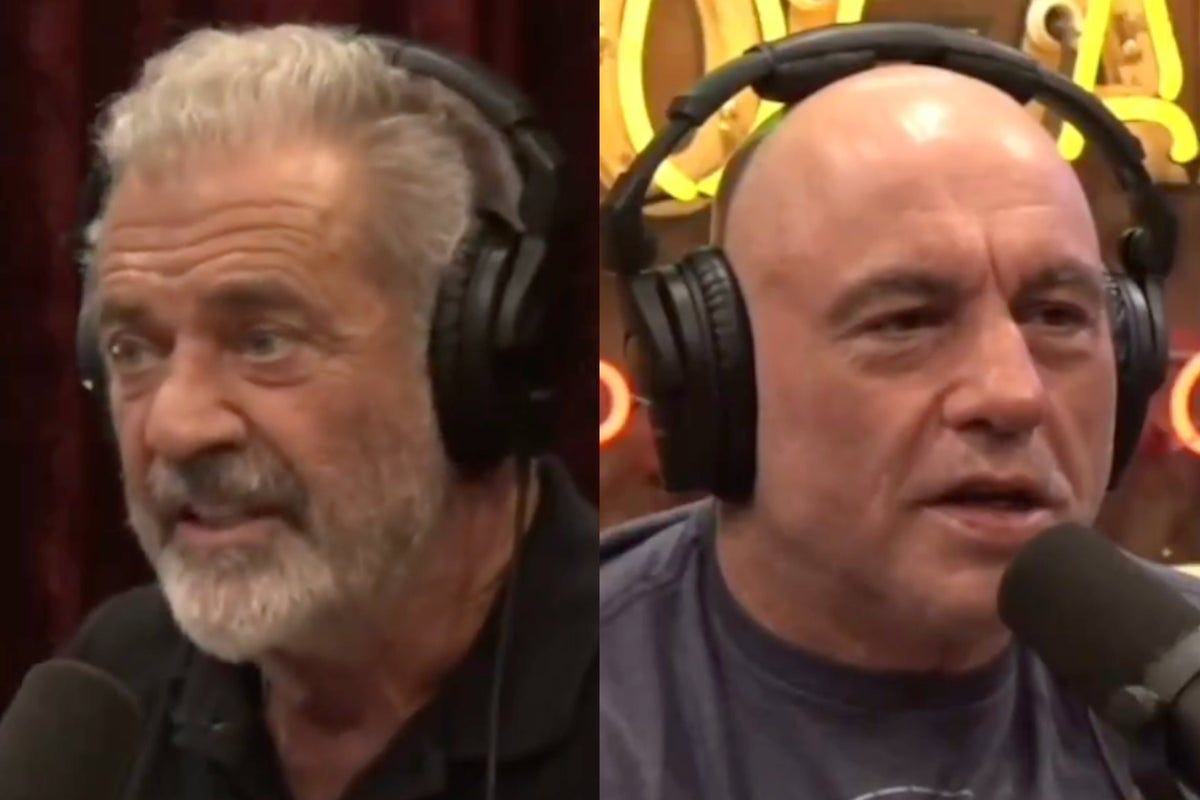
After Tippens, the evidentiary trail becomes surprisingly indistinct. Mel Gibson’s three cured friends, reported by him on the Joe Rogan podcast, have not been publicly identified. Many testimonials promoted by William Makis and others use first names, initials, pseudonyms or no names at all, frequently without complete medical records and almost always alongside conventional treatment. Even Makis’s published three-patient fenbendazole series kept the patients anonymous and was subsequently retracted because he had not disclosed that he was offering services related to the paper’s subject. The retraction does not establish that the clinical histories were fabricated, but it further weakens what was already attribution-resistant evidence.[116][117]
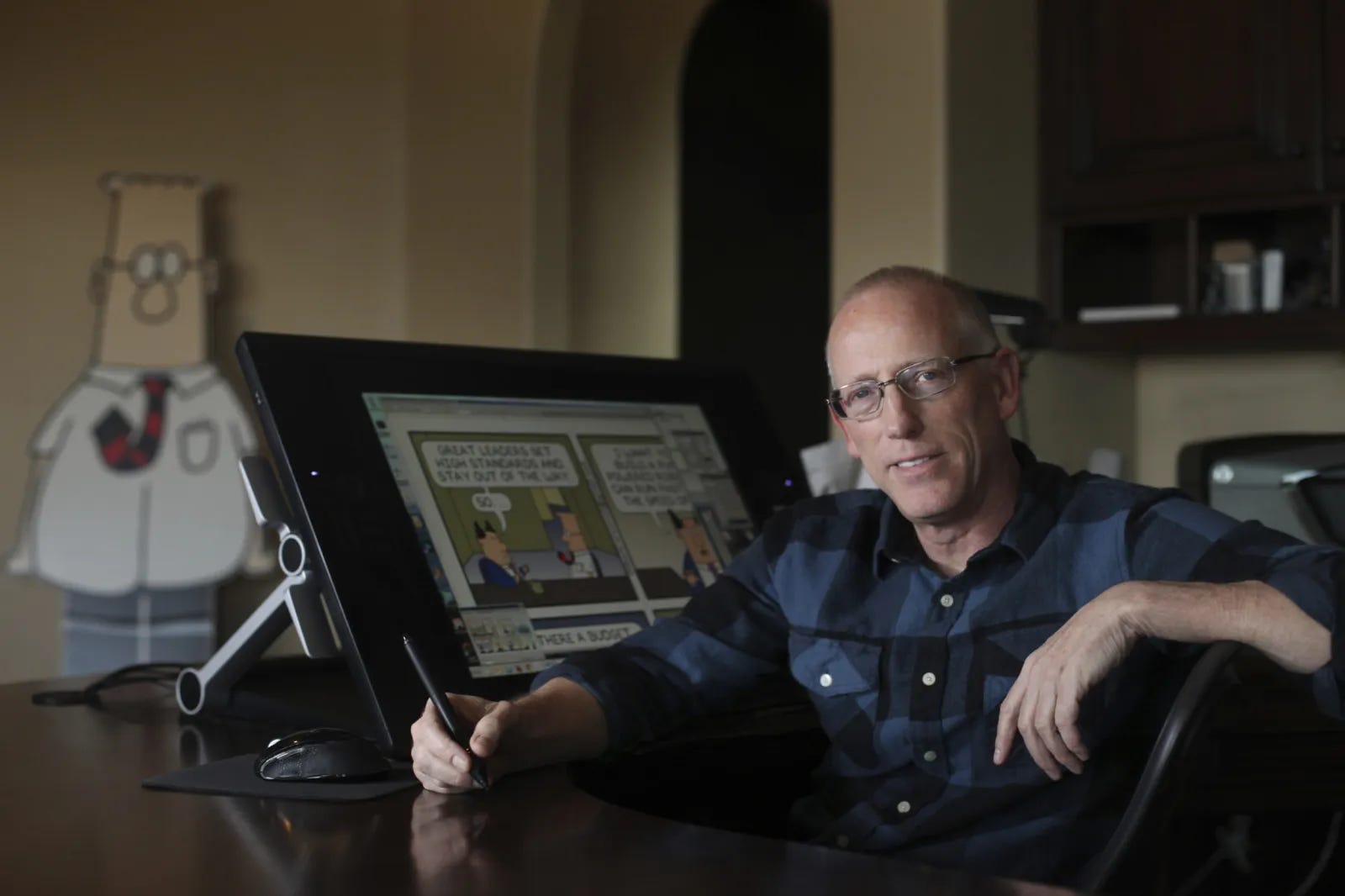
The failures are considerably less shy. Scott Adams, the creator of Dilbert, said that with Makis’s assistance he tried ivermectin with fenbendazole—the more famous and, to many adherents, more authentic version of TWC’s combination. Adams said it “didn’t work at all” and that his PSA (prostate specific antigen, a marker of his prostate cancer) probably rose tenfold while he was taking it. Makis disputed whether Adams remained on his protocol long enough and whether he took the right conventional therapeutics alongside them, but not that he tried the drugs with his assistance, or that he tried the right doses. Adams’ metastatic cancer continued to progress, and he died from it the following January.[115]
Korean comedian Kim Chul-min was one of those drawn in by Tippens’s story. After a Korean-language video about Tippens’s claimed cure spread in September 2019, Kim began taking fenbendazole and publicized his experience. He initially reported less pain, but later announced that the drug had failed to kill his lung cancer; after further metastasis and abnormal liver findings, he stopped taking it and died of the disease.[118]
Physicians have also documented a metastatic-melanoma patient whose imaging and circulating tumor DNA initially improved during self-treatment with ivermectin and fenbendazole, only for both measures subsequently to show renewed progression.[119] And in a small phase 2a study of mebendazole alone—not the TWC combination—all eight patients who reached their first CT evaluation had progressive gastrointestinal cancer; four met proposed criteria for unusually rapid progression, although the study could not establish that mebendazole caused it.[120]
None of this definitively adjudicates the drugs. Adams may not have followed the most effecti ve protocol; publicly available information does not establish his dose. Kim used an incompletely documented regimen. Only five patients in the phase 2a study achieved the intended blood concentration, and its patients had advanced cancers already resistant to treatment. Different doses, longer exposure, different cancers or combination therapy might produce different results. But the asymmetry remains worth noticing: the apparent successes tend to become anonymous, medically incomplete or inseparable from concurrent treatment, while several failures can be attached to identifiable people, serial measurements and—in two prominent cases—death from the cancer the drugs were intended to arrest. That does not prove the drugs cannot work. It shows why viral anecdotes cannot tell us whether they do.[115][118][119][120]
The TWC Study
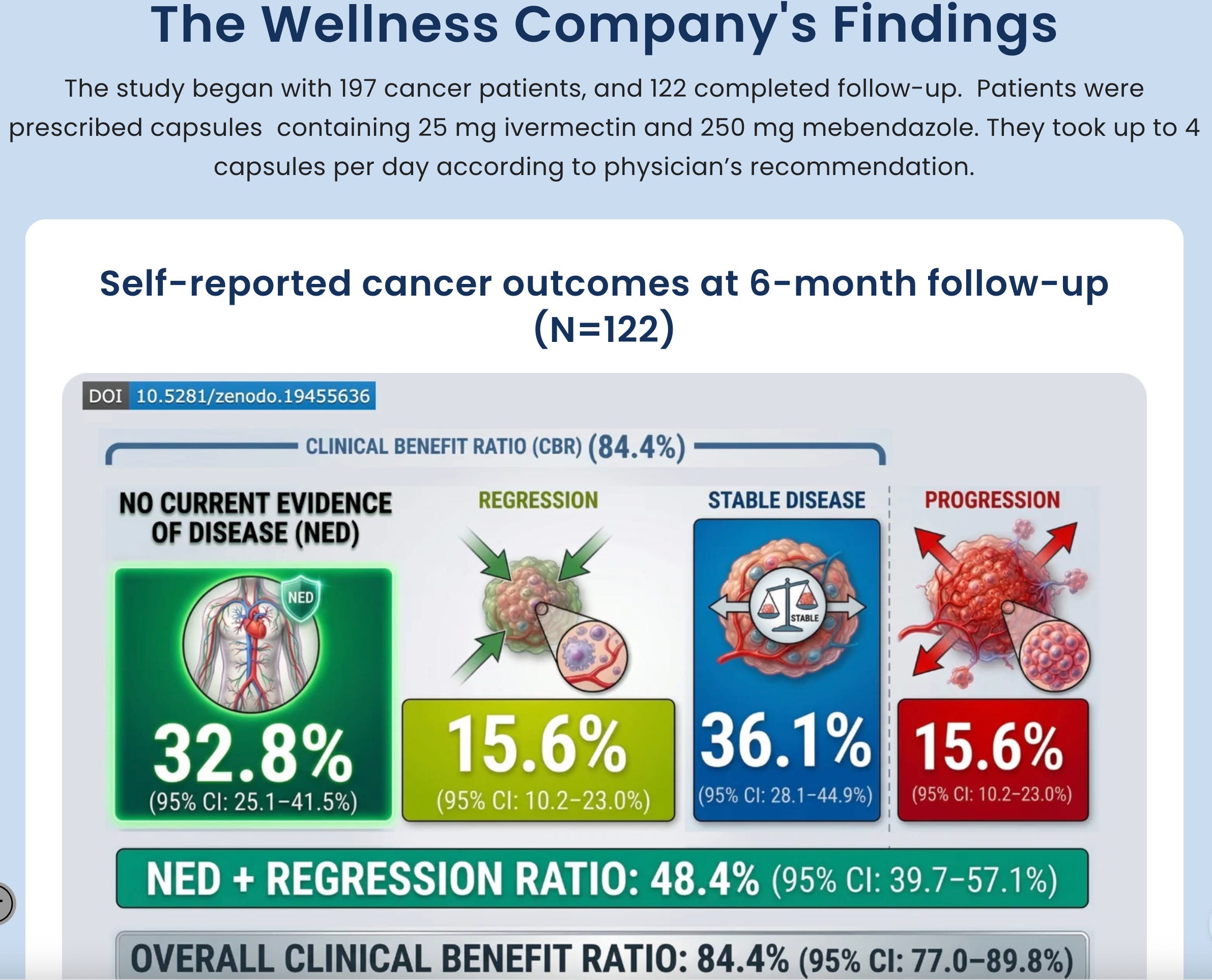
So back to the TWC study. It basically consisted of two customer surveys. Patients who obtained prescriptions were asked to fill in a baseline questionnaire about their diagnosis and treatment, and 197 did. Roughly six months later they were emailed a follow-up survey asking, in effect, how their cancer was doing. There was no imaging review, source verification of diagnoses or outcomes, physician adjudication of response, or comparison group — just self-report at two time points from customers of the company whose affiliated authors conducted the study.
The paper says all 197 had been prescribed the combined capsule. Among the 122 who answered at follow-up, 86.9% reported completing the initial ninety-capsule prescription and 66.4% reported remaining on the protocol at six months. There is no data on why the remainder stopped the drugs.[1]
The follow-up was turned into four categories. Forty patients reported no evidence of disease, which statistics literature abbreviates NED. Nineteen reported regression, forty-four reported stable disease, and nineteen reported progression. The authors then added the first three categories together — no evidence of disease, regression, and stability — into a composite they called “clinical benefit”: 103 patients out of 122, or 84.4% — the headline result.[1]
But seventy-five people, or nearly 40% of the cohort, never answered at all. Their outcomes are completely unknown. The paper reports no mortality linkage, no medical-record follow-up, no contact with relatives, and no reasons for nonresponse.
The three ways data goes missing
Whether that silence matters depends on why people fall out of a study, and statisticians have a taxonomy for it.[112]
The first category is missing completely at random, abbreviated MCAR. Picture a mail server that silently dropped every message sent to an address ending in .net, for a technical reason having nothing to do with anyone’s health. The missing cases are then a lottery draw from the cohort, and the people who answered still stand in fairly for the people who didn’t. You have lost sample size and nothing else.
The second is statistically known as missing at random, or MAR — a very badly chosen name, as it is not random at all. Here the vanishing depends on something you did measure. Suppose patients over eighty answered half as often as everyone else, purely because of age and email habits. You recorded their ages, so you can adjust: weight the older respondents up, and the statistical picture largely repairs itself.
The third is missing not at random, MNAR, also called informatively missing. Here the chance of disappearing depends on the very outcome you failed to observe. That is why this category ruins studies: no amount of clever adjustment can recover information that may not have been collected because of one of the outcomes you are studying.
Survey attrition in serious illness is structurally MNAR because the dead do not fill in questionnaires, and neither, usually, do patients in hospice, patients in hospital, or patients flattened by progression and its treatments. The sicker the patient, the likelier the silence.
Nothing in this study’s design can distinguish a patient who did not feel like responding from a patient who is dead.
That is why the seventy-five missing patients matter so much.
Worst-case accounting
What should a careful reader do with 75 unknowns? The natural first question is blunt: could we just assume they all died of their cancer, and see what happens to the results?
As an estimate of what actually happened, no. A 38% six-month mortality rate would be implausibly high for this mixed cohort, which included many prostate and breast cancer patients and many people who reported stable disease. But as a bound, yes. An estimate says: this is probably what happened. A bound claims something weaker, but far more important, especially for an underpowered study: the truth could be as bad as this. Estimates can be argued over. A bound, if the rudimentary arithmetic is right, cannot.
When investigators fail to ascertain outcomes, as they did here, readers lose the ability to verify, but they do not lose the ability to reason. Estimates for the missing become assumption-driven, so honesty requires scenarios rather than one confident number. A bounded worst-case sensitivity analysis assumes the missing did as badly as possible. If a finding survives, it is robust to that specified missing-outcome scenario—not to self-report error, confounding, heterogeneity, or the absence of a comparator. If it does not, the headline depends heavily on assumptions about the missing.
Here the worst case is not an estimate and should not be read as one. It is a logical boundary showing how little the observed data rule out. The study’s authors reported no comparable sensitivity analysis. Here is what that boundary looks like:[1]
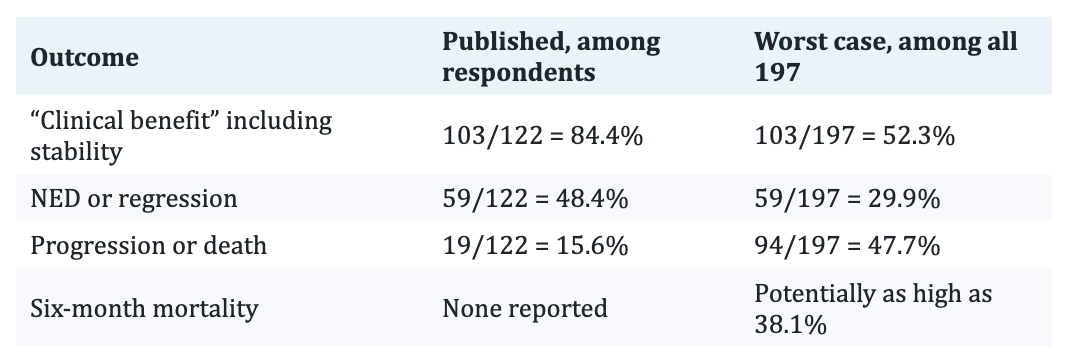
The broad composite remains just above 50% under this deliberately extreme boundary only because stability was counted as benefit, a choice we will discredit below. Progression-or-death would rise from one patient in six to nearly one in two if every missing patient had that outcome. The 38.1% is therefore not an estimated mortality rate; it is the fraction of the cohort whose status the paper left entirely unknown. When stability is removed from the benefit category, the best possible case is about 30% of patients who had regression or no evidence of disease at follow-up.
But what none of this shows is whether any of those numbers are better, worse or the same than would have been expected without ivermectin and mebendazole - more on that below, along with a total of at least 10 methodological flaws that crush the credibility of this so called research paper..
What Comes Next
How could a paper promoting ivermectin and mebendazole possibly benefit Moderna? It sounds like a question that would require a secret memo, a payment trail, or proof that somebody commissioned the result. The trail I found begins somewhere much less dramatic: with a study of more than 1,100 retractions and an unexpected change in the research surrounding them. It ends in a crowded sequence from April through August, when TWC’s cancer claim and Moderna–Merck’s cancer-vaccine news entered the same publicity field. The chronology proves nothing by itself. What it makes possible is a question the usual argument between “breakthrough” and “misinformation” never reaches.[37][66][75]–[78]
To see why the question matters, we first have to understand what kind of object the TWC paper actually produced. The authors anticipated concern about the seventy-five missing patients and performed a statistical test intended to show that the remaining 122 were representative. The result looks reassuring until you ask for the names of the two groups being compared. Once those groups are reconstructed, the test begins to raise the very concern it was supposed to settle.[1][107]
The most consequential number in the paper may not be 84.4%. It may be 62.9%—a figure sitting quietly in the baseline table before the patients’ supposed benefit was measured. Placing those numbers beside each other turns one ordinary word in the paper into a statistical trap. What must be known before remaining “stable” can be counted as a treatment benefit—and did this study know it?[1]
The contributor statement assigns formal responsibility for the paper’s methods, analysis, and presentation in ways that deserve close reading. Behind those assignments stand two famous physicians with triple-digit h-indices - Drs Peter McCullough and Harvey Risch.

That led me to a deceptively simple question: if every paper a scientist published from tomorrow onward were worthless, how long would it take the h-index to notice? Following the answer led through five withdrawn or retracted pandemic papers and an uncomfortable discovery about how scientific prestige behaves after the science deteriorates.[7][8][57]–[61]
Within forty-five hours of the preprint, TWC had placed the result on a page leading readers toward the exact product studied. Later, one of the authors directed his audience to that product using a URL that contained more tracking information than an ordinary storefront link. It establishes something precise about the promotional route and suggests a beneficial financial arrangement.[34][81][82]
Archived TWC leadership pages contain multiple early executives whose previous work involved human intelligence or military information operations. A separate filing gathers several connected men under the name Cold Harbour LLC, the company that advertised intelligence gathering and crisis management. Following those names leads through SOCOM influence work, Blackwater, Lincoln Group, the State Department’s high-threat security world, and another company of TWC founder Foster Coulson’s that was born from DARPA-funded technology. None of that proves any agency directed TWC or its study. It does suggest a narrower question about what kind of crisis this network was equipped to manage, and whether it is managing it now, advertently or inadvertently.[122]–[129]
In August 2025 HHS announced that it was winding down nearly $500 million in BARDA mRNA-vaccine investments. Within the following year another HHS component funded new mRNA-flu work, FDA approved Moderna’s first mRNA influenza vaccine, and the National Cancer Institute was designing a public-private cancer-vaccine initiative whose proposed platforms included personalized RNA vaccines. Was this an institutional retreat from mRNA, or a sorting of the platform’s most valuable future uses? And what happens when conspicuously weak research on cheap repurposed drugs for cancer enters that same field just as mRNA oncology is moving toward commercialization?[134] The result is not what you might expect.
Perhaps the entire sequence was nothing more than commercial enthusiasm, weak methodology, durable prestige, and people gradually persuading themselves that a customer survey was important research. That explanation is less cinematic than controlled opposition. It may also be more unsettling. What if everyone involved sincerely believed what they were saying—and the machinery still produced something functionally indistinguishable from sabotage? And what if the final containment occurs one level deeper: not by deciding whether the establishment or its opposition wins, but by ensuring that both sides keep offering rival studies and rival products within the same broader medical paradigm, while the question of why the disease actually arose, and what disease actually is at a deep physical and metaphysical level, remains sealed in another room?
Read on to discover all this and more. There is data and pseudoscience. There are “docstars” and at least one of their purported handlers. There is the financial elite and the silenced dissident with the burned down house. There are commandos and spooks. There is the military industrial complex and its machinations. There is the ascendant mRNA technology platform and its discontents. There is philosophy and metaphysics. And somewhere in all of this we may eventually find our way back to real health and healing.
Coming up next:
