

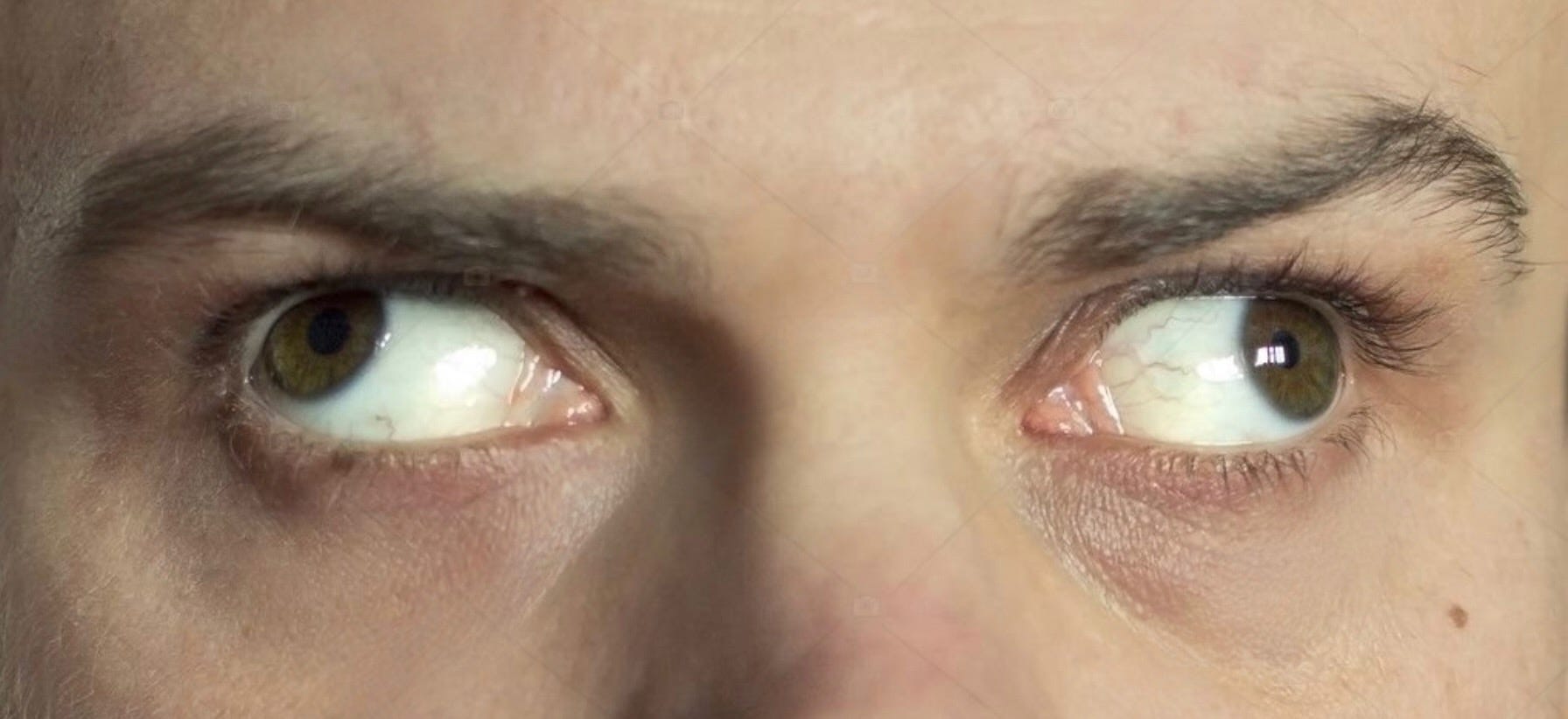
Andrew Huberman recently shared a sleep hack of his. He says it’s based on neuroscience and involves closing your eyes, moving them back and forth slowly, then counterclockwise, then clockwise, then converging on the imagined tip of the nose while exhaling slowly.
He says this works because in order to go to sleep the brain has to lose track of body position and this technique helps accomplish that by confusing the mind and inner ear … or something like that.
Of course I tried it and it didn’t do anything that I noticed.
I suspect many sleep hacks are a lot like hiccup cures: everyone has something they swear by (I push on pressure points behind my ears while taking very deep breaths, works like a charm).
Maybe such things are just placebo effects.
Either way I never found my sleep placebo. The more I try to fall asleep the less likely I am to fall asleep.
At the other end of the body I recently came across another sleepy time trick: wearing socks to slightly warm the feet in a cool room (around 74 F) apparently helped someone enough that they decided to study it on 6 volunteers.
Perhaps their thinking was that sleep onset is associated with a drop in core temperature. The feet are one of the main areas where body heat is released since they have large shunts sending warm core blood through large vessels near the surface where heat radiates out of the body. A cool room is known to help people go to sleep, but if the feet get too cold then those peripheral shunts may clamp shut and not work as well, preventing core temps from dropping.
In the study wearing socks shortened sleep onset by 7.5 minutes, increased total sleep time by 32 minutes and reduced nocturnal awakenings.
So it worked, right? Maybe, but core temperature didn’t seem to change. Maybe they just expected to sleep better and did so. It’s hard to blind someone to wearing socks or not wearing them. The study was meant to show socks improved sleep. Placebo effects are to be expected.
It’s easy to dismiss such small time research as silly, but all of medical research is plagued by similar problems from sample size issues, blinding trouble, and many other inherent biases that conspire to reaffirm preconceived notions. Much of medical science and practice is as prone to superstition as any shaman might be.
As Ionnidis famously put it in th4e introduction to his 2005 paper:
“There is increasing concern that most current published research findings are false. The probability that a research claim is true may depend on study power and bias, the number of other studies on the same question, and, importantly, the ratio of true to no relationships among the relationships probed in each scientific field. In this framework, a research finding is less likely to be true when the studies conducted in a field are smaller; when effect sizes are smaller; when there is a greater number and lesser preselection of tested relationships; where there is greater flexibility in designs, definitions, outcomes, and analytical modes; when there is greater financial and other interest and prejudice; and when more teams are involved in a scientific field in chase of statistical significance. Simulations show that for most study designs and settings, it is more likely for a research claim to be false than true. Moreover, for many current scientific fields, claimed research findings may often be simply accurate measures of the prevailing bias.”
The patient of mine with the worst insomnia, that failed everything, eventually figured out it was all due to a known side effect of one supplement, but usually chronic sleep troubles are more complex than that.
Personally speaking my own battle with insomnia stemmed from long COVID. The solution was a comprehensive approach to healing involving multiple antimicrobials, general detox and broad nutritional and energetic support. And perhaps most importantly time, which we know heals all wounds.
What about you? Beyond the usual exhortations to fix sleep timings, eat early, get morning sun, wear blue blockers at night, avoid stimulants, etc, have you found anything that works for a long standing recalcitrant sleep problem?
Placebo cures with or without plausible mechanisms welcome. Who knows, it could help someone.
Magnesium glycinate up to an hour before bed or melantonin (sometimes you have to up the dose) seem to work. But before that, I have found:
1. Don’t watch or read anything upsetting or too interesting before bed.
2. Don’t read or watch tv in bed.
3. Don’t stress about sleep, tell yourself, “It’s no big deal, I can take a nap eventually and catch up”. Worrying about sleep seems to prevent sleep for me.
4. Get up and read or watch something boring if you’ve laid in bed for 45 minutes and feel no closer to sleep- return when you feel sleepy. As with #1, you could get into the habit of NOT sleeping in bed.
5. Try to avoid eating or drinking much before bed - especially things that can upset your stomach.
I have struggled with insomnia all my life. I am like The Princess and the Pea story, the smallest thing can keep me awake. I often joke that the planets have to be in alignment before I can sleep. But a lot of it is mental, learning to ignore and accept background noises, and learning how to THINK in a sleep-encouraging way.
Another tip- if you have an acid stomach- take a bit of baking soda (as much as you need, usually around 1 tsp)with water.
When my grandfather couldn’t sleep he always drank a glass of very warm whole milk. He also drank a glass of hot water every morning when he first got up claiming that it would clean you out and reset your body for the day.
Just throwing it out there for thought ???